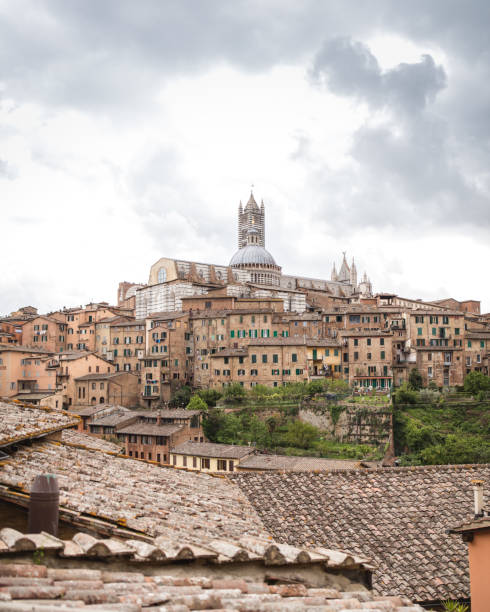
Originally known as Corsignano during Roman times, the town remained a modest rural settlement until the 15th century. Its transformation began when native son Pope Pius II (Enea Silvio Piccolomini) ascended to the papacy and envisioned rebuilding his birthplace as an embodiment of humanist ideals.
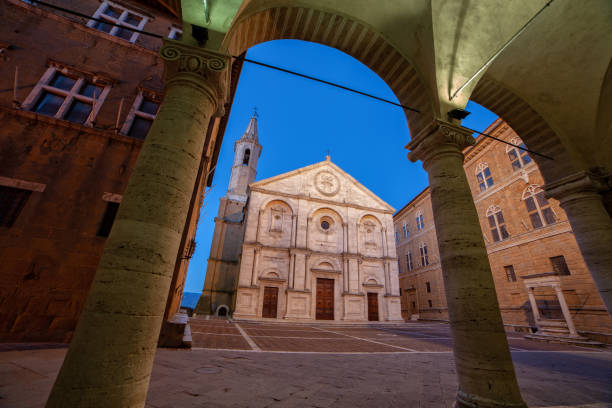
Between 1459 and 1462, under the direction of architect Bernardo Rossellino, the town was redesigned around the harmonious Piazza Pio II. The square forms the civic and symbolic heart of Pienza, framed by the cathedral, the Palazzo Piccolomini, and the Palazzo Comunale.
This carefully proportioned ensemble is considered one of the earliest realized examples of the Renaissance “ideal city,” influencing later urban developments throughout Europe.
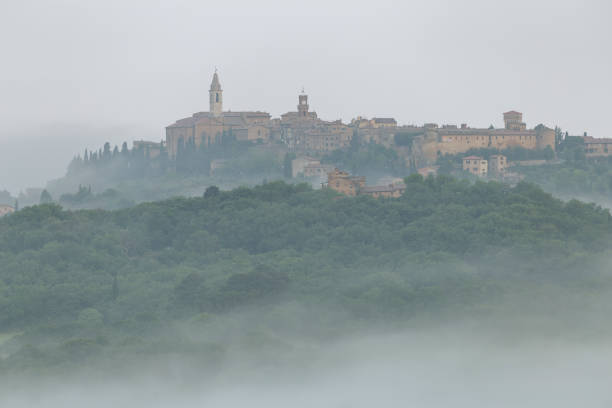
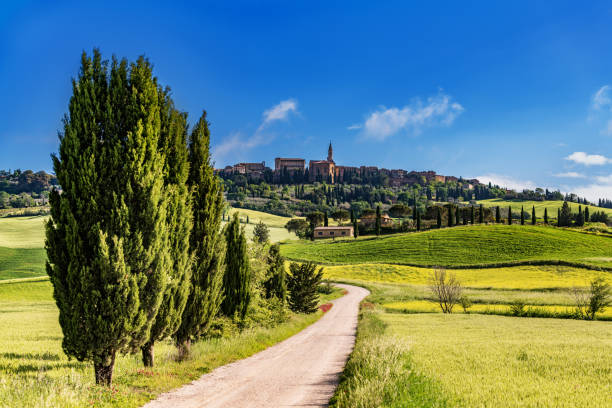
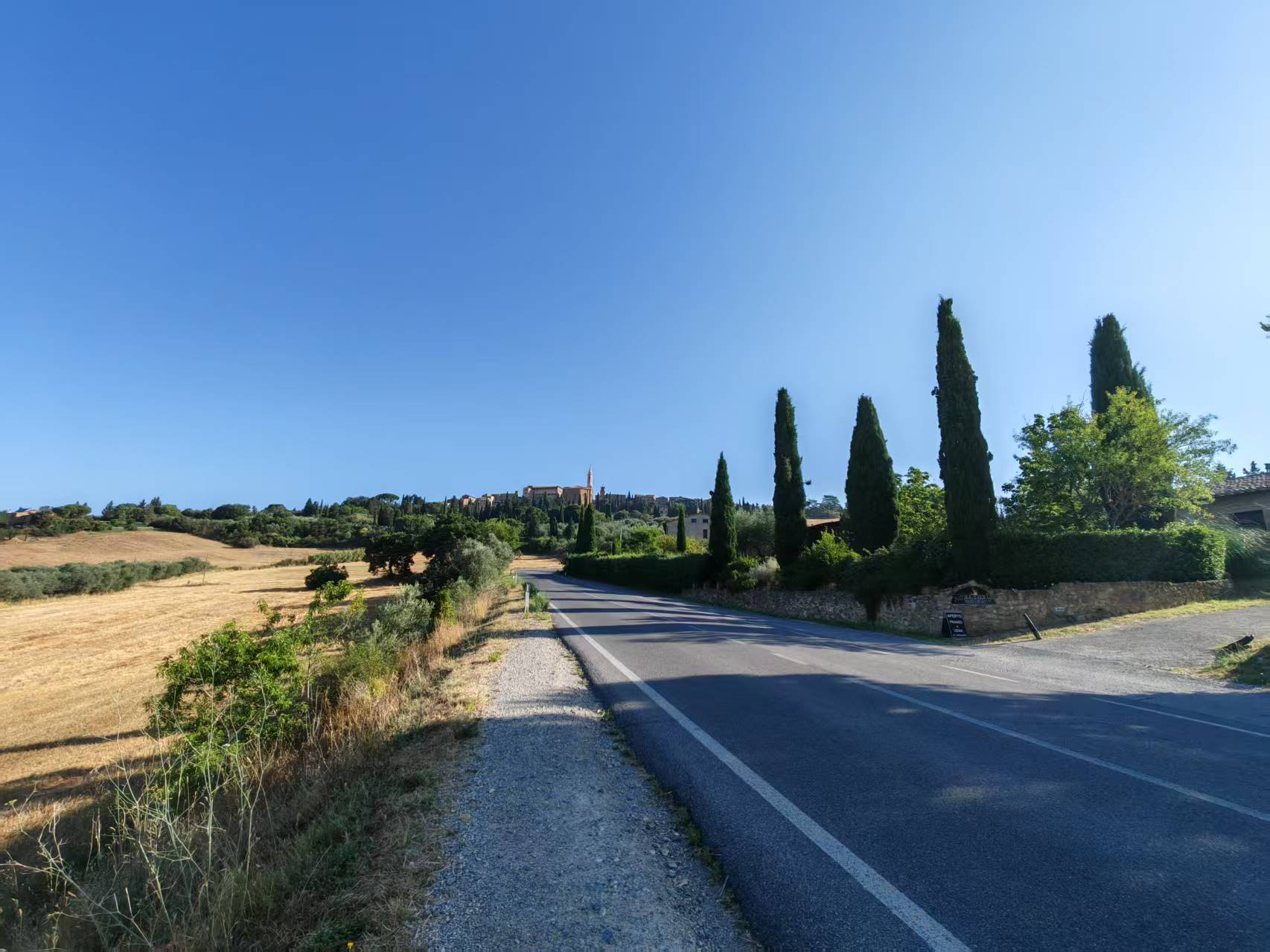
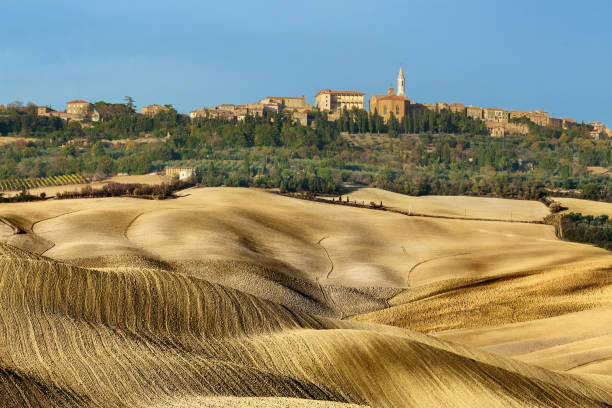
In the modern era, Pienza gained international recognition for the integrity of its architectural heritage and its integration with the surrounding Tuscan landscape. Today, it stands as a symbol of the harmonious relationship between humanist vision, civic design, and natural beauty.
皮恩扎位于意大利托斯卡纳大区南部的瓦尔多尔恰山谷中心,是文艺复兴城市规划史上的重要里程碑。
在罗马时代,这里原名 Corsignano,是一座普通的乡村聚落。15世纪中叶,出生于此地的教宗庇护二世(原名 Enea Silvio Piccolomini)决定将故乡改建为体现人文主义理想的新城市。
1459年至1462年间,在建筑师 Bernardo Rossellino 的主持下,城市围绕皮奥二世广场重新规划建设,形成统一而严谨的文艺复兴城市空间结构。广场周围矗立着主教堂、皮科洛米尼宫以及市政厅等重要建筑。
这一规划被视为欧洲最早的“理想城市”实践之一,对后世城市设计产生深远影响。
在现代,皮恩扎因其保存完好的城市格局与周边托斯卡纳丘陵景观,被列入世界遗产体系,成为文艺复兴人文精神与自然风光融合的象征。
今天的皮恩扎不仅以建筑闻名,也以传统羊奶奶酪和慢生活文化著称,是历史、艺术与自然交汇的典范。